Image unavailable
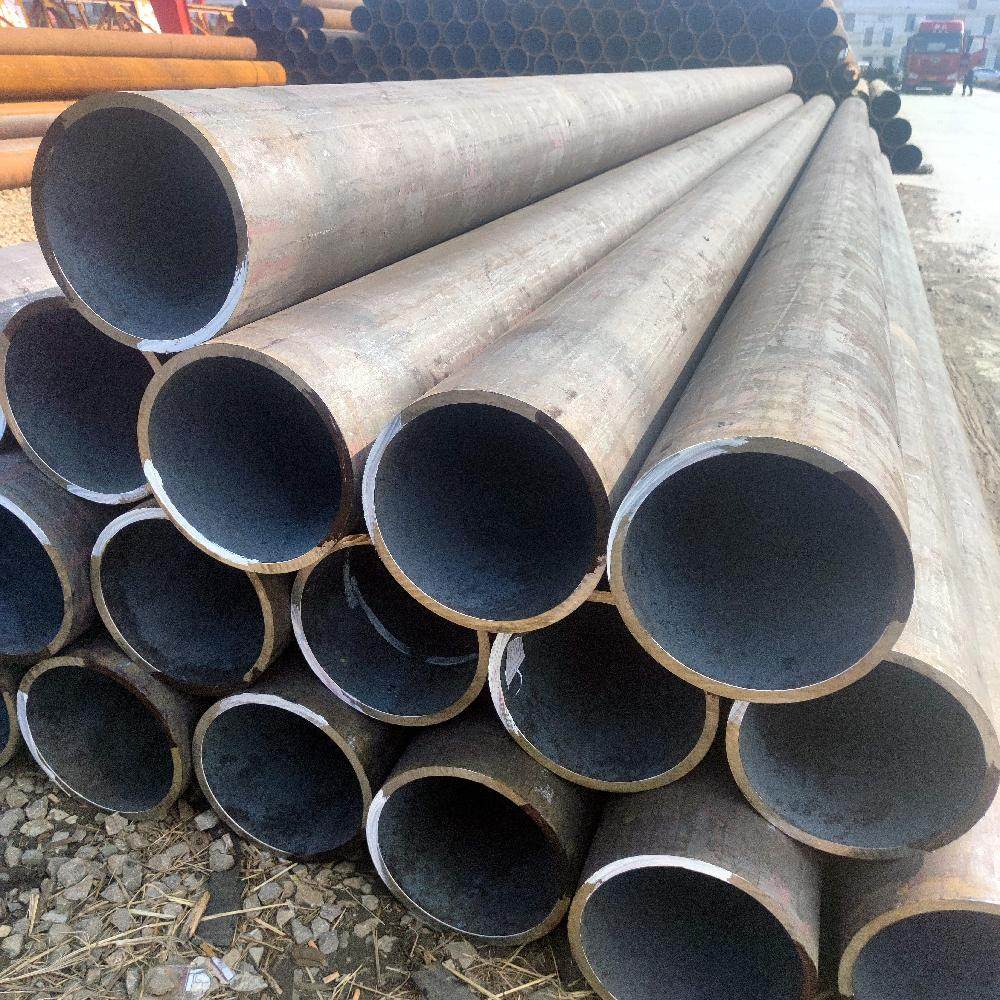
Square and rectangular tube
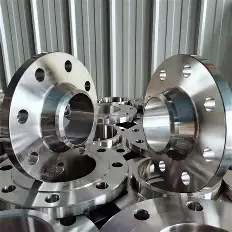
The Welding Neck Flange (WN), also known as the high-neck or long-neck flange, is a core connecting component in industrial pipelines. Its structure consists of a conical transition neck and a circular flange plate. It is butt-welded to the pipeline using a full penetration groove weld, and sealing is achieved by clamping the gasket with bolts and nuts.
Core structure and characteristics
1. Structure: The neck features a smooth wall thickness transition, with the weld junction situated away from the sealing surface to prevent welding-induced thermal deformation. Common sealing surfaces include raised face (RF), male and female mating face (MFM), and ring joint face (RTJ).
2. Advantages: High rigidity, low stress concentration, fatigue resistance, and stable sealing, suitable for pipelines carrying high-temperature, high-pressure, temperature/pressure fluctuating, flammable, explosive, or highly toxic media.
3. Material: Carbon steel (A105, 20#), stainless steel (304/316/316L), alloy steel (15CrMo, etc.); mostly integrally forged.
4. Standards: HG/T 20592, GB/T 9115, ASME B16.5, EN 1092-1; pressure ratings from PN10 to PN160, Class150 to 2500.
Application scenarios
High-pressure/high-temperature/hydrogen-contacting/flammable and toxic medium systems in petrochemical, coal chemical, thermal and nuclear power, natural gas transmission, pharmaceutical, and other industries; often interfacing with valves, equipment nozzles, and long-distance pipelines.
CONTACT OUR TEAM
Share the product, dimensions, quantity and delivery requirements for your project.
liumengna@juqingpipe.cn
8617600209984
Room 1006, Huateng Xintiandi Building, Dajiaoting Bridge, Chaoyang District, Beijing