Image unavailable
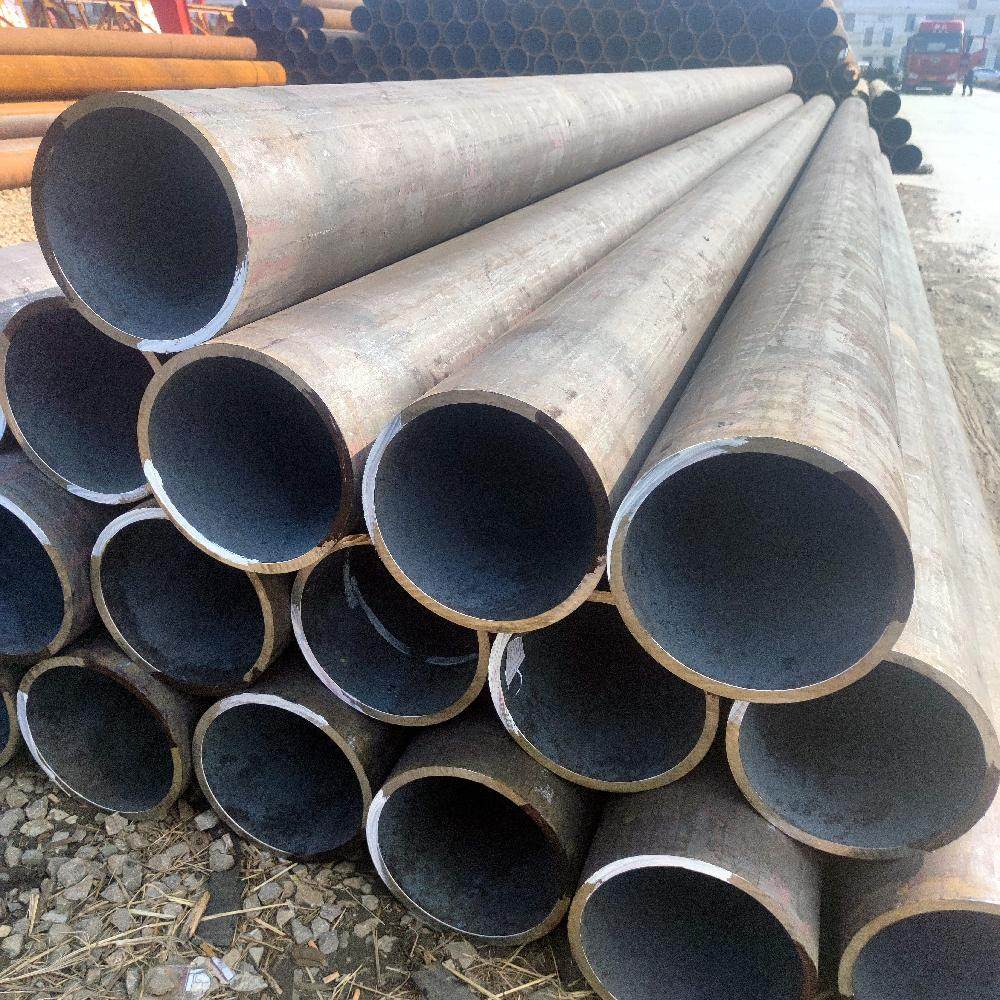
Square and rectangular tube
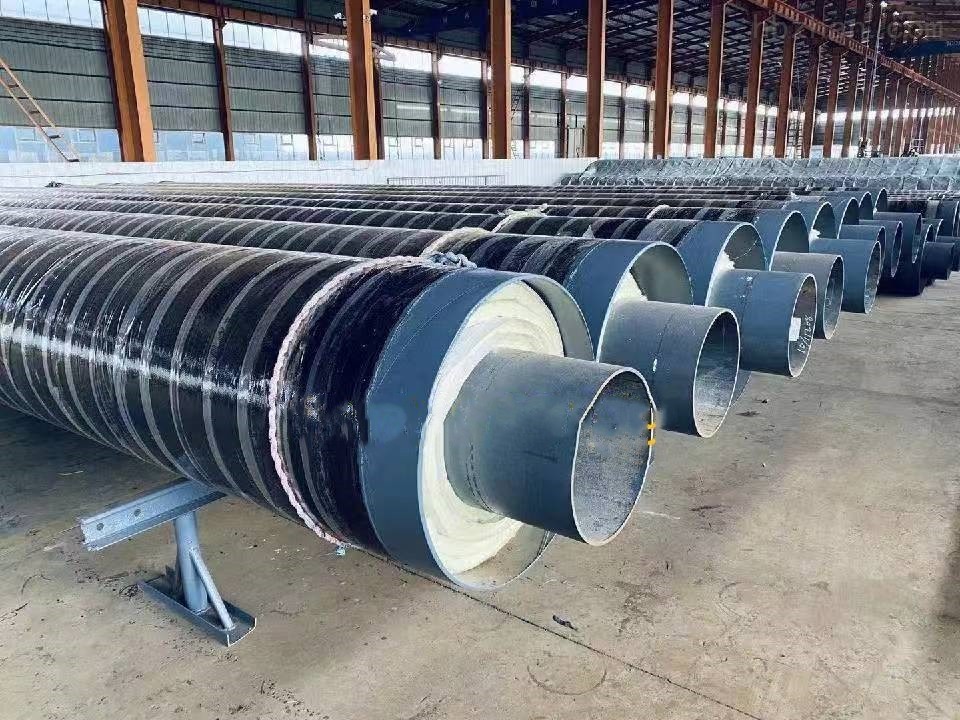
Steel-cased steel insulation pipe, with its full name being "steel-cased steel-inner pipe steam directly buried insulation pipe", is a prefabricated directly buried pipeline specifically designed for the transportation of high-temperature and high-pressure steam or hot water.
It consists of three parts: the working steel pipe (inner tube), the insulation layer, and the outer protective steel pipe (outer sleeve). Due to its extremely high mechanical strength and reliable waterproof performance, it has become the mainstream choice in urban centralized heating and industrial steam transportation.
Here is a core introduction about it:
1. Core structure
Steel-cased steel insulated pipes typically adopt a "pipe-in-pipe" structural form, consisting of three layers from the inside out:
Working steel pipe (inner tube)
The material is usually seamless steel pipe or spiral welded pipe.
Directly exposed to high-temperature media (such as steam, with temperatures ranging from 150℃ to 350℃), responsible for conveying the medium.
insulation layer
This is the technical core, which typically employs high-temperature resistant materials. Common combinations include:
Inorganic insulation layer: Closely attached to the steel pipe is hydrophobic high-temperature glass wool or microporous calcium silicate, which is used to withstand the high-temperature radiation from the inner tube.
Organic insulation layer: The outer layer is wrapped with rigid polyurethane foam. Although polyurethane itself has a limited temperature resistance (about 140°C), through the barrier of the high-temperature layer on the inside, it can exert excellent thermal insulation effect, keeping the surface temperature of the outer protective tube below 50°C.
Outer protective steel tube (outer sleeve)
The material is spiral steel pipe or straight seam welded pipe, with the outer wall coated with 3PE (three-layer polyethylene) for corrosion protection or epoxy coal tar pitch for corrosion protection.
Function: As a "steel sheath", it possesses extremely high compressive strength, capable of withstanding soil pressure and dynamic road loads (such as vehicle traffic), and forming a fully enclosed waterproof barrier.
II. Main Features
Extremely high mechanical strength: Compared to "plastic-coated steel" (high-density polyethylene outer protective tube), the steel-coated steel outer protective tube is made of steel, which has extremely strong compression and impact resistance. When crossing rivers, roads, or areas with high groundwater levels, deformation and damage caused by external forces are almost non-existent.
Excellent waterproof and sealing performance: The fully welded steel structure outer protective tube is absolutely airtight. For steam pipelines, preventing "air blockage" and external water infiltration is crucial. The steel-clad steel structure can effectively ensure the insulation layer remains dry, extending its service life.
Flexible thermal compensation methods:
Internal sliding (commonly used): The working steel pipe slides within the insulation layer through a bracket or lubricating layer, while the outer protective tube remains stationary. This method reduces the stress on the outer protective tube and ensures high safety.
External sliding: The working steel pipe slides together with the insulation layer and the outer protective tube. It is usually used in high-temperature scenarios or scenarios where vacuum layer monitoring is required.
Drainage system integration: Due to the generation of condensate water during steam transportation, steel-clad steel pipelines are usually equipped with bidirectional moisture/drainage pipes (leading out at the fixed support), which can not only discharge internal moisture but also serve as detection points for the alarm system.
III. Application Fields
Urban centralized heating: Primarily utilized in the "steam pipe network" of northern cities, it serves various purposes such as factory production, hospital disinfection, hotel cooling, and residential heating.
Industrial conveying:
Petrochemical industry: transporting process steam and tracing steam.
Cogeneration: Delivering heat sources from power plants to industrial parks.
Construction in special areas: For sections where leakage is not allowed or maintenance is difficult, such as pipe gallery erection, river crossing by pipe jacking, and railway crossing, steel-cased steel is the preferred solution due to its high level of protection.
IV. Executive Standards
In China, the production of steel-cased steel insulation pipes primarily adheres to the following standards:
CJ/T 200-2004 Technical Conditions for Prefabricated Directly Buried Steam Insulated Pipes for Urban Heating
CJ/T 246-2018 Technical Conditions for Prefabricated Directly Buried Steam Insulated Pipe Fittings in Urban Heating Systems
CONTACT OUR TEAM
Share the product, dimensions, quantity and delivery requirements for your project.
liumengna@juqingpipe.cn
8617600209984
Room 1006, Huateng Xintiandi Building, Dajiaoting Bridge, Chaoyang District, Beijing