Image unavailable
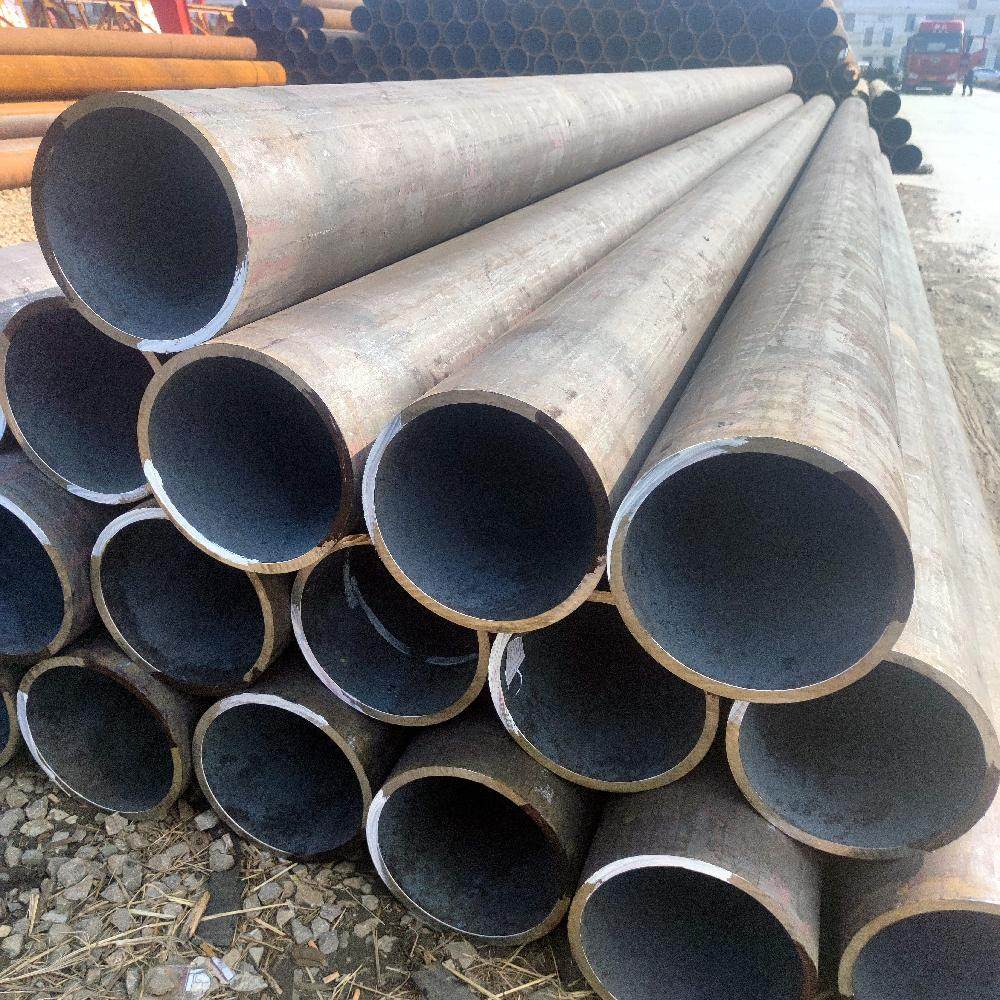
Square and rectangular tube
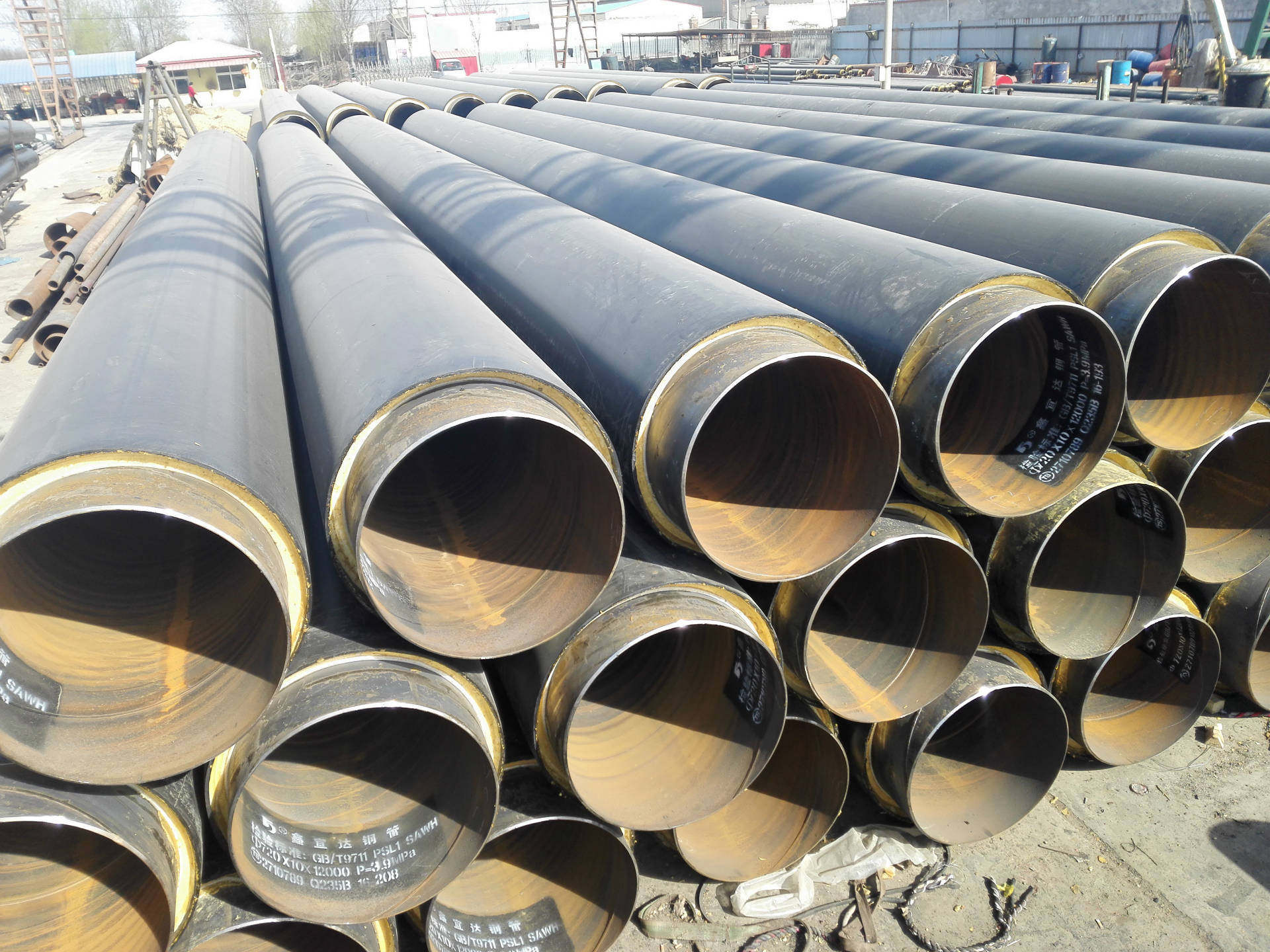
The full name is "High-Density Polyethylene Outer Protective Tube Polyurethane Foam Plastic Prefabricated Directly Buried Insulated Pipe Process", which is a production process that combines the working steel pipe, insulation layer, and outer protective tube into an integral whole in the factory. It is named so because of its "tube-in-tube" structure.
The following is a detailed introduction to this traditional craftsmanship:
1. Process principle and operation procedure
The core idea of the tube-in-tube process is "tube insertion first, then foam generation".
Preparation: Place the prefabricated high-density polyethylene (HDPE) outer protective tube over the working steel pipe, and use a bracket to maintain a certain distance between the two, forming a uniform annular cavity.
Injection: On a dedicated foaming platform, inject the black and white polyurethane materials (isocyanate and combined polyether) into this cavity through a high-pressure foaming machine.
Molding: The raw materials undergo chemical reactions within the cavity, rapidly foaming and solidifying, tightly bonding the steel pipe, insulation layer, and outer protective tube into a trinity-like whole.
2. Core structural components
The insulation pipe produced by this process consists of a three-layer structure:
Layer 1: Working steel pipe: The core of the conveying medium, typically made of seamless steel pipe or spiral welded pipe. To ensure adhesion with polyurethane, the steel pipe surface needs to undergo shot blasting and rust removal treatment, achieving a grade of Sa2.
Layer 2: Polyurethane insulation layer: It is formed by foaming the polyurethane raw material injected into the cavity. Its closed cell ratio is as high as over 90%, and its thermal conductivity is low (about 0.013–0.03 kcal/m·h·℃), combining excellent insulation and waterproof properties.
Layer 3: High-density polyethylene outer protective tube: Prefabricated black or yellow plastic tube, primarily serving to protect the internal insulation layer from mechanical damage and groundwater corrosion.
3. Main features and advantages
Anticorrosion and Lifespan: Due to the tight adhesion of polyurethane foam to the outer wall of steel pipes, air and water are isolated, resulting in excellent anticorrosion performance. When used correctly, the pipeline can have a lifespan of 30-50 years.
Low heat loss: Compared to traditional insulation methods, heat loss can be reduced by 25%-40%, significantly saving energy.
Construction convenience: It can be directly buried underground, eliminating the need for large pipe trenches. This reduces earth excavation by over 50%, shortens the construction period by about 50%, and lowers the overall cost by 10%-25%.
Intelligent monitoring (optional): Leakage alarm wires can be pre-embedded during production to achieve real-time monitoring and positioning of pipeline network leaks.
4. Technological limitations
Despite its widespread application, the traditional tube-in-tube process has some inherent limitations:
Quality defects: Due to liquid pouring and foaming, issues such as uneven foam density, presence of voids, and eccentricity between the steel tube and the outer protective tube may occur.
Core scorching: in large-diameter pipes or thick insulation layers, heat generated during foaming may not dissipate promptly. Overheating can scorch the centre of the insulation layer and reduce its thermal performance.
Low threshold: The relatively simple process has attracted a large number of low-end manufacturers, resulting in uneven product quality in the market.
5. Application and standards
Application scenarios: Primarily suitable for urban centralized heating, cooling, petrochemical, and other fields where the temperature of the conveying medium is not higher than 120°C (with occasional peaks of 130°C).
Applicable standards: Primarily comply with the standards of the Ministry of Construction of China (CJ/T 114-2000) and the European standard EN 253.
Overall, the traditional tube-in-tube process is a mature and cost-effective technology for producing prefabricated insulation tubes. Although the new process has made breakthroughs in performance, the tube-in-tube process still holds an important position in the market due to its wide applicability and stable supply capacity
CONTACT OUR TEAM
Share the product, dimensions, quantity and delivery requirements for your project.
liumengna@juqingpipe.cn
8617600209984
Room 1006, Huateng Xintiandi Building, Dajiaoting Bridge, Chaoyang District, Beijing